Why Architectural Doors Require Architectural Entry Systems
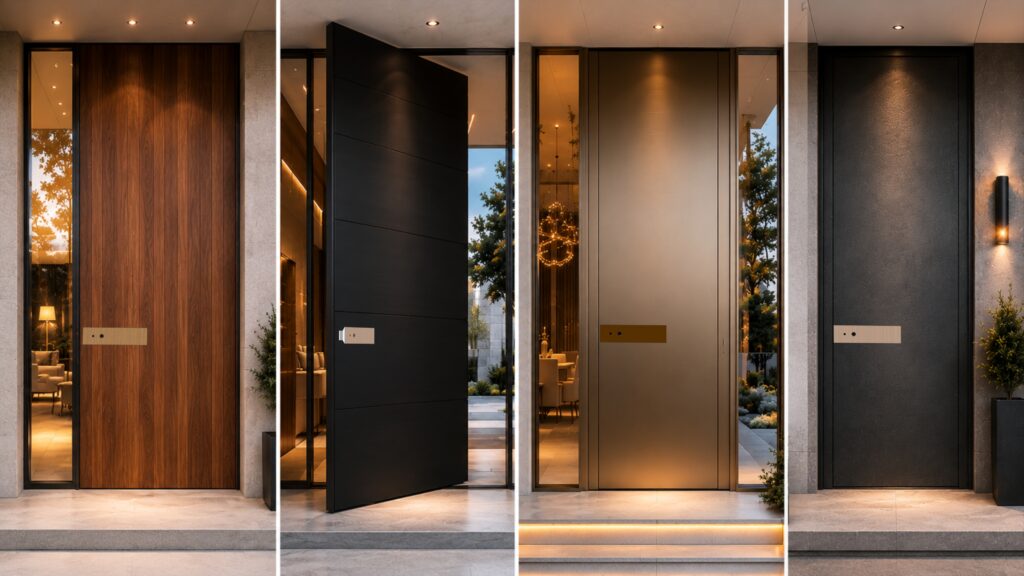
For decades, entrance hardware has been treated as a collection of separate products.
A lock is selected.
A handle is selected.
An access control system is selected.
A door is manufactured.
Each component is often sourced, specified and installed independently.
While this approach may work for conventional projects, it is increasingly incompatible with modern architectural entrance design.
Today’s premium residential developments, custom pivot doors, luxury villas and high-end commercial projects demand a higher level of coordination.
The entrance is no longer viewed as a simple door opening.
It has become a critical architectural element that combines aesthetics, engineering, security, user experience and intelligent access technology.
This shift is changing how architects, door manufacturers and developers approach entrance specifications.
Rather than specifying individual hardware products, many projects are now moving toward a more integrated solution: the Architectural Entry System.
Beyond Traditional Hardware Thinking
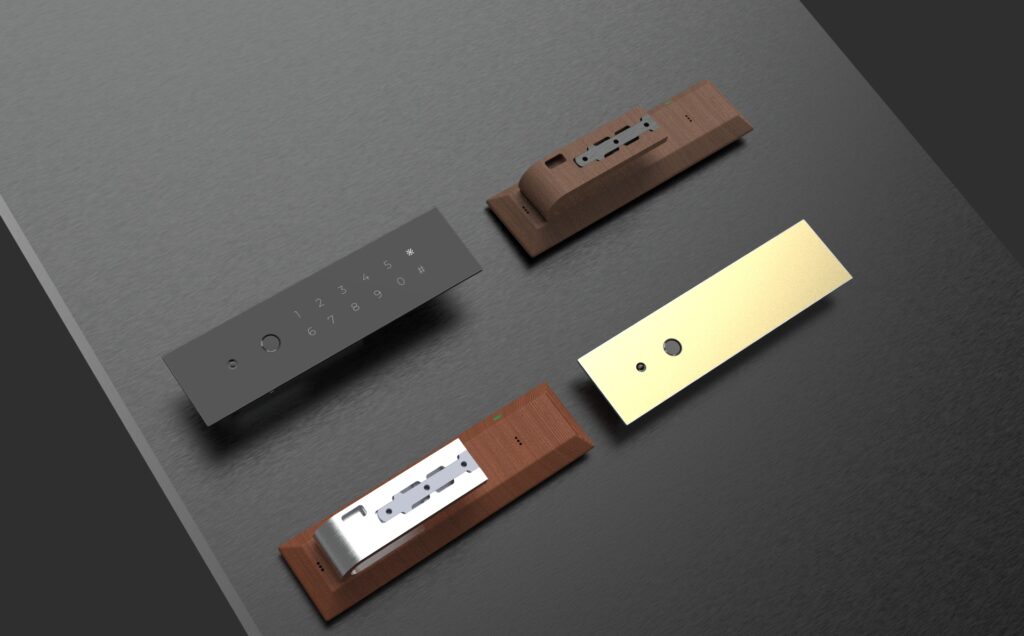
Traditional hardware specification focuses primarily on products.
The lock is considered separately from the door.
The handle is considered separately from the access system.
Installation requirements are often addressed after design decisions have already been made.
This fragmented process frequently creates challenges during fabrication and installation.
Common issues include:
- Hardware dimensions conflicting with door construction.
- Visual inconsistencies between materials and finishes.
- Complex installation requirements.
- Limited smart home compatibility.
- Additional project coordination costs.
As architectural doors become larger, heavier and more design-driven, these problems become increasingly difficult to manage.
What Is an Architectural Entry System?
An Architectural Entry System approaches the entrance as a complete, coordinated platform rather than a collection of independent components.
It considers every element of the entrance experience as part of a unified system.
This includes:
- Door architecture
- Structural engineering
- Surface materials
- Smart access technologies
- Installation geometry
- User interaction
- Ecosystem integration
By treating the entrance as a system, project teams can achieve greater consistency throughout design, manufacturing and installation.
Why Integration Matters
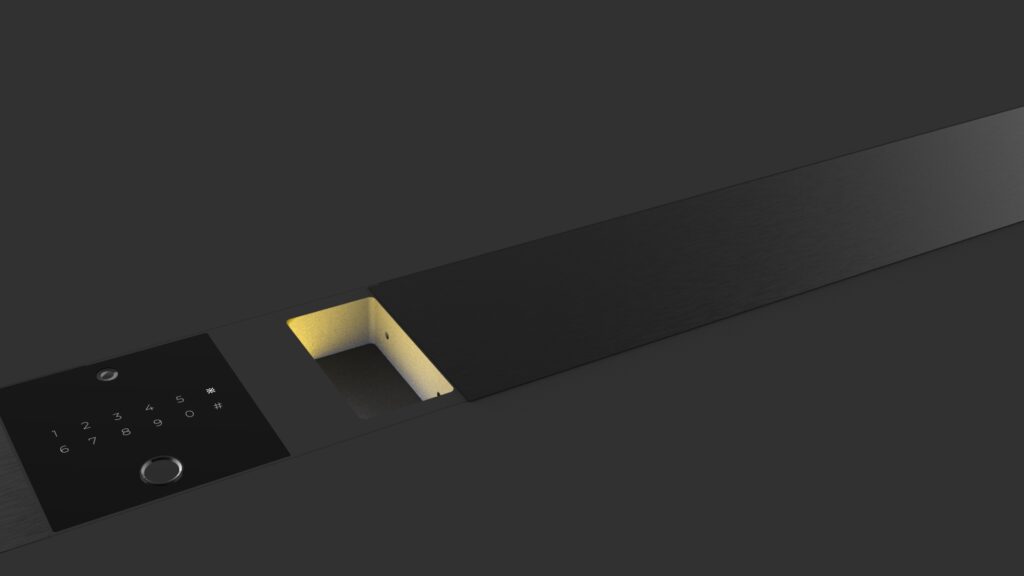
Modern entrance projects often incorporate oversized pivot doors, flush-mounted hardware, concealed detailing and intelligent access technologies.
These applications require more than product compatibility.
They require engineering compatibility.
Architectural integration helps ensure that hardware, materials and fabrication processes work together from the beginning of the project.
This creates benefits for every stakeholder involved.
For Architects
Architectural Entry Systems provide greater design freedom while maintaining specification consistency across the project.
For Door Manufacturers
Integrated planning simplifies fabrication, CNC preparation and installation processes.
For Developers
System-level coordination helps reduce project risks while improving long-term reliability.
For System Integrators
Smart access technologies can be incorporated more efficiently into connected building ecosystems.
The Future of Entrance Design
As architecture continues moving toward integrated design methodologies, entrance systems are evolving beyond traditional hardware categories.
The most successful projects are no longer defined by the lock alone.
They are defined by how effectively architecture, engineering, fabrication and intelligent access technologies work together.
Architectural doors require more than hardware selection.
They require a coordinated Architectural Entry System.
This is the direction modern entrance design is moving toward, and it is becoming the foundation of the next generation of premium entrance projects.