The Transition Between Two Worlds
An architectural entrance is far more than a door.
It is the transition from one space to another.
It is the transition between two worlds.
An architectural entrance is far more than a door.
It is the transition from one space to another.
It is the transition between two worlds.
From outside to inside.
From public to private.
From movement to arrival.
The moment we approach an entrance is also the moment where design matters most.
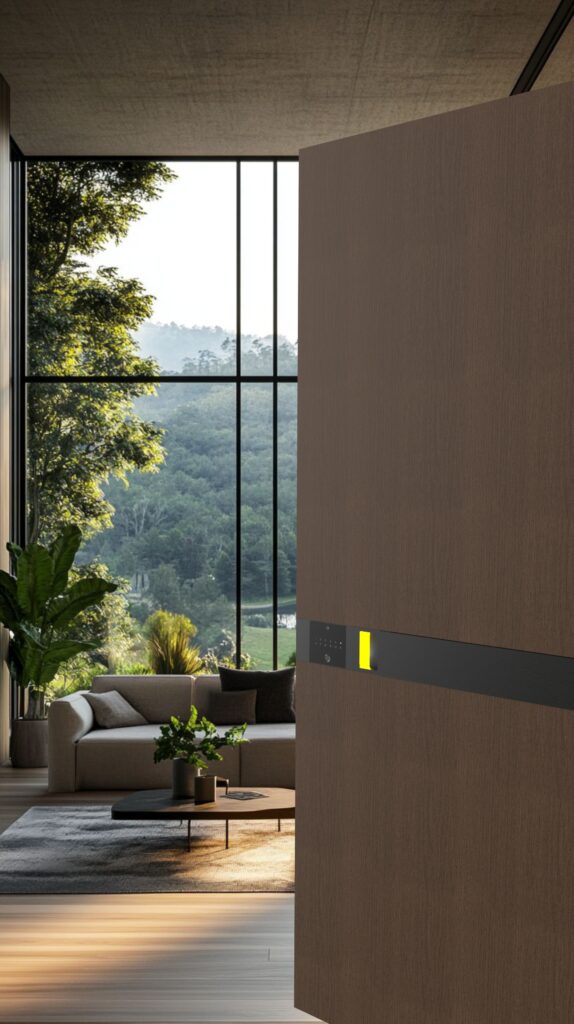
Before a handle is touched.
Before a lock is activated.
Before a door is opened.
A silent conversation has already begun between people and architecture.
The best entrances are not designed to demand attention.
They are designed to create understanding.
The interaction between people and an entrance should feel natural, effortless, and almost invisible.
Every detail contributes to this experience.
The hardware.
The proportions.
The materials.
The colors.
The lighting.
The visual harmony between every element.
This is why designers do not see an entrance as a collection of components.
They see it as a system.
A system that connects architecture, technology, aesthetics, and human experience into a single moment.
When designed correctly, an entrance does more than provide access.
It creates anticipation.
It creates comfort.
It creates belonging.
The beauty that enters our field of vision and the ease of interaction work together to release the fatigue of the day and replace it with a feeling of arrival.
Because the true purpose of an entrance is not simply to let people in.
It is to make people feel welcome before they even step inside.